

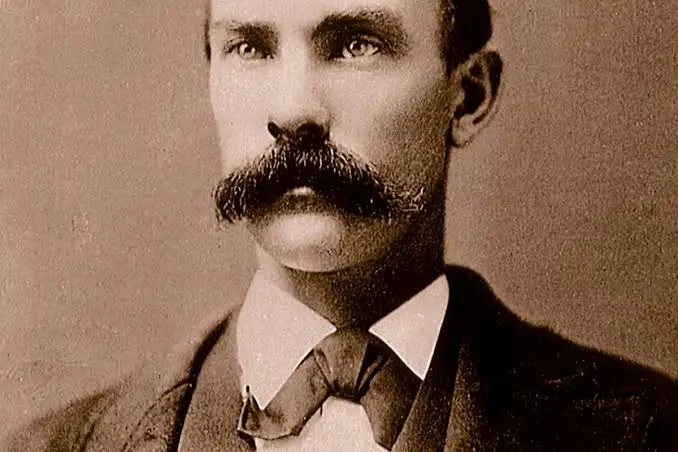
Johnny Ringo, Tombstone… If you only know Johnny Ringo from Tombstone — Michael Biehn brooding beneath a black hat, quoting Latin at Doc Holliday across a saloon — you already know more truth than you might realize. The filmmakers gave Ringo something rare in a Western villain: interiority. A soul corroded from within.
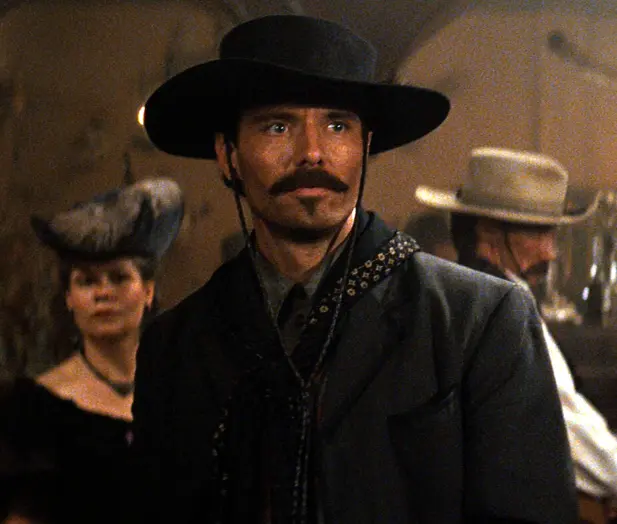 The real John Peters Ringo was a man who didn’t belong anywhere he landed. Born in Indiana in 1850, he was educated, well-read, and deeply acquainted with scripture and classical literature. Contemporaries recalled him reciting passages from Shakespeare and the Bible with the same casual ease he drew a pistol. That combination — refinement and violence, learning and lawlessness — was no Hollywood invention. It was the unsettling truth of him.
What made Ringo genuinely gothic was the darkness he carried like a second skin. He drank with purpose, not pleasure. He drifted through Texas and Arizona with a restlessness that suggested less a man running toward something than one running from himself. Those who rode with him noted his sudden black moods, his silences that curdled the air in a room.
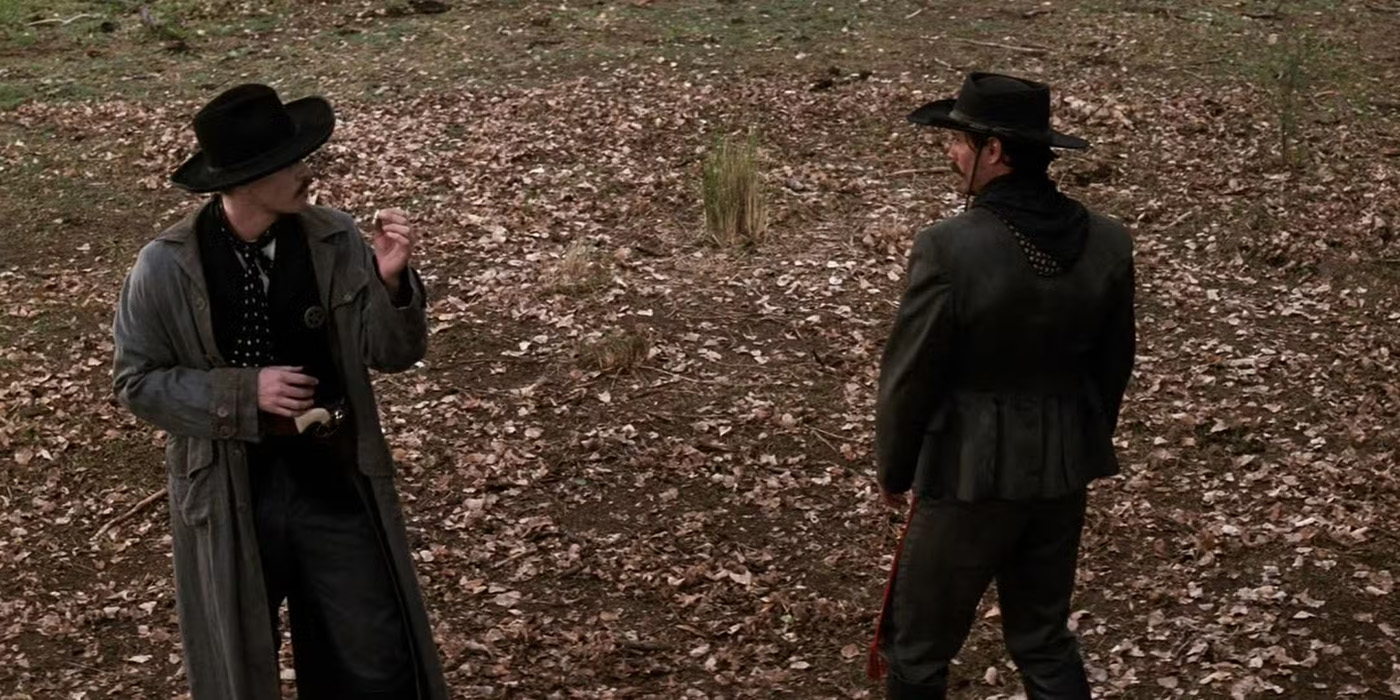
Which brings us to the strange mirror of Doc Holliday. Two educated men, both dying — Ringo by mysterious misadventure, Holliday by tuberculosis — drawn to the same violent margins of civilization. They despised each other… reportedly. But adversaries reveal each other. Both were displaced aristocrats of a dying world, rotting with intelligence in a landscape that had no use for it.
Ringo was found dead in 1882, a bullet through his temple, his circumstances still debated. Suicide. Murder. Mystery. The frontier swallowed him whole.
Hic sunt leones. Here be lions. Here be ghosts.
